What to Eat After Dental Work, Procedure by Procedure
When you can eat after a filling, crown, extraction, implant, root canal, deep cleaning, braces, aligners or whitening, what to eat first, and what to skip while you heal.
You have just walked out of the dental office, your lip still feels like it belongs to someone else, and you are starting to get hungry. The aftercare sheet said something about soft foods, but you are not sure whether that applies to a filling as much as to a pulled tooth, or what "soft" really means.
It depends on what was done. Some procedures need nothing more than patience while the numbness wears off. Others need a few days of care about what you chew and where. Here is what to eat and avoid after each common procedure, plus a soft food list you can shop from.
One thing first. If you have trouble breathing or swallowing, or swelling that is spreading across your face or down your neck after any dental work, this is not a diet question. Go to an emergency department.
Two Rules That Apply After Almost Everything
Wait until the numbness has gone before you chew. While your lip, cheek, and tongue are numb you cannot feel yourself biting them, and it is easy to do real damage without noticing. Numbness usually lasts a few hours. Until it fades, stick to drinks and smooth, cool foods you can take from a spoon, and be careful with hot drinks, because you cannot judge temperature properly either.
Chew on the other side. Whatever was worked on, give it a day or so of rest where you can. Cutting food into small pieces makes this far easier.
After any surgery, including extractions and implants, add a third rule: no straws, no spitting, and no smoking or vaping for at least the first few days, because the suction can pull away the blood clot that protects the healing site.
Quick Reference by Procedure
| Procedure | First 24 hours | Next few days | Avoid |
|---|---|---|---|
| White (composite) filling | Normal food once numbness wears off | Normal diet, other side if tender | Very hot or cold if the tooth is sensitive |
| Silver (amalgam) filling | Soft food, chew on the other side | Normal diet | Hard or sticky food on that tooth for the first day |
| Temporary crown | Soft food on the other side | Same, until the permanent crown is fitted | Sticky, chewy, and hard food, including gum and caramel |
| Permanent crown | Soft food once numbness wears off | Normal diet | Ice, hard candy, and anything sticky for the first day |
| Extraction or wisdom teeth | Cool, smooth food from a spoon | Soft, lukewarm food, other side | Straws, seeds, nuts, popcorn, chips, spicy food, alcohol |
| Implant surgery | Cool, smooth food from a spoon | Soft food, no chewing on the site | Biting on the implant area until your surgeon says so |
| Root canal | Soft food once numbness wears off | Soft food, other side | Hard or chewy food on that tooth until the final crown or filling |
| Deep cleaning | Soft, lukewarm food | Gentle textures while gums settle | Spicy, acidic, crunchy, or seedy food |
| Braces fitted or adjusted | Soft food, cut small | Softer choices while teeth ache | Hard, sticky, and chewy food, for as long as the braces are on |
| Starting new aligners | Soft food, trays out to eat | Normal diet as soreness fades | Eating or drinking anything but water with trays in |
| Whitening | Pale, low acid food and drink | Normal diet, go easy on dark drinks | Coffee, tea, red wine, cola, berries, curry, tomato sauce |
This covers typical, uncomplicated cases. Where your dentist or surgeon gave you different instructions, follow theirs.
After a Filling
A composite filling, the tooth colored kind, is hardened with a blue curing light before you leave the chair, so it is at full strength straight away. Once the numbness wears off you can eat normally.
A silver amalgam filling sets more slowly and takes around a day to reach full strength. Chew on the other side for the first day, and skip hard or sticky food on that tooth.
Mild sensitivity to cold for a few days or weeks after either kind is common. One thing is not normal: if your bite feels high, or the tooth hurts sharply only when you bite down, the filling probably needs a small adjustment. That is a quick fix and worth a call, rather than chewing around it for weeks.
After a Temporary or Permanent Crown
A temporary crown is a placeholder held on with deliberately weak cement, so the dentist can remove it easily later. That also means food can pull it off. Until your permanent crown is fitted:
- Chew on the other side.
- Avoid gum, caramel, toffee, and chewy candy, which can lift it straight off.
- Avoid hard food such as nuts, ice, crusty bread, and hard candy, which can crack it.
- When you floss, slide the floss out sideways rather than pulling it back up between the teeth.
If it comes off, keep it and call the office. Do not leave the tooth uncovered for days.
A permanent crown is fixed firmly in place. Most people can eat normally once the numbness goes, though a day of gentle eating gives the cement time to settle fully. Slight tenderness of the gum around it for a few days is normal.
After an Extraction or Wisdom Teeth
Everything after an extraction is about protecting the blood clot in the socket. For the first day, keep food cool, smooth, and spooned: yogurt, applesauce, smooth soup that has cooled, mashed potato, ice cream. Over the next few days move to soft, lukewarm food chewed on the other side. Our full tooth extraction aftercare guide covers the rest of that first week.
Skip anything that can lodge in the socket: seeds, grains, nuts, popcorn, chips. Pain that gets worse rather than better around days two to four is the classic sign of dry socket, where the clot has been lost and the bone underneath is exposed. Our guide to dry socket signs explains what to watch for.
Wisdom teeth take longer. Jaw stiffness can limit how wide you open for a week or more, so plan meals that fit on a teaspoon. The wisdom teeth recovery timeline walks through what to expect day by day.
After Implant Surgery
The first days after an implant is placed are much like an extraction: cool and smooth at first, then soft food on the other side, with the same no straw, no smoking rules.
The difference is the timescale. An implant has to fuse with the bone around it, a process called osseointegration, which takes months. Heavy pressure on it during that time can disturb the healing, so your surgeon may ask you to avoid chewing directly on the area for weeks rather than days, even once the gum looks healed. If you have a temporary tooth over the implant, treat it as there for looks, not for biting.
After a Root Canal
Once the numbness has gone you can eat, but be gentle with the treated tooth. It is often tender to bite on for a few days while the tissues around the root settle.
The bigger issue is what sits on top. Many root canals finish with a temporary filling, and a back tooth that has had a root canal is more brittle than it was. Until the final crown or filling is in place, avoid hard or chewy food on that side. A crack at this stage can mean the tooth cannot be saved, so do not put off the appointment for the final repair.
After a Deep Cleaning
Scaling and root planing, the deep cleaning that removes hardened deposits from below the gumline, leaves gums tender and teeth sensitive for a few days. Choose soft, lukewarm food, and skip anything spicy, acidic, or very hot, which stings. Sharp, crunchy foods such as chips and crusty bread can jab at sore gums, and small seeds and popcorn hulls can lodge under them. Keep brushing gently, because clean gums settle faster.
After Braces Are Fitted or Adjusted
Teeth usually ache for a few days after brackets go on or wires are tightened. Soft food helps: pasta, eggs, soup, smoothies, rice. The ache fades, but some rules last for as long as the braces do. Hard foods such as nuts, hard candy, and ice can break brackets, and sticky foods such as caramel and gum pull at wires. Cut apples and carrots into small pieces, and slice corn off the cob, instead of biting into them.
When You Start a New Set of Aligners
Aligners come out to eat, so there are no forbidden foods, but the first two or three days of each new tray can make teeth sore. Softer meals help during that stretch. Drink only water with the trays in, since other drinks can pool against your teeth, and brush before putting them back.
After Whitening
For a day or two after whitening, teeth can pick up stain more easily and may feel sensitive. Many dentists suggest a pale diet for the first 24 to 48 hours: rice, pasta, chicken, white fish, milk, bananas, plain yogurt. Hold off on coffee, tea, red wine, cola, berries, curry, soy sauce, and tomato sauce, and go easy on acidic food and drink if your teeth are tender. How much this matters is debated, but it is a cheap precaution.
A Practical Soft Food List
Soft does not have to mean dull. Build meals from these:
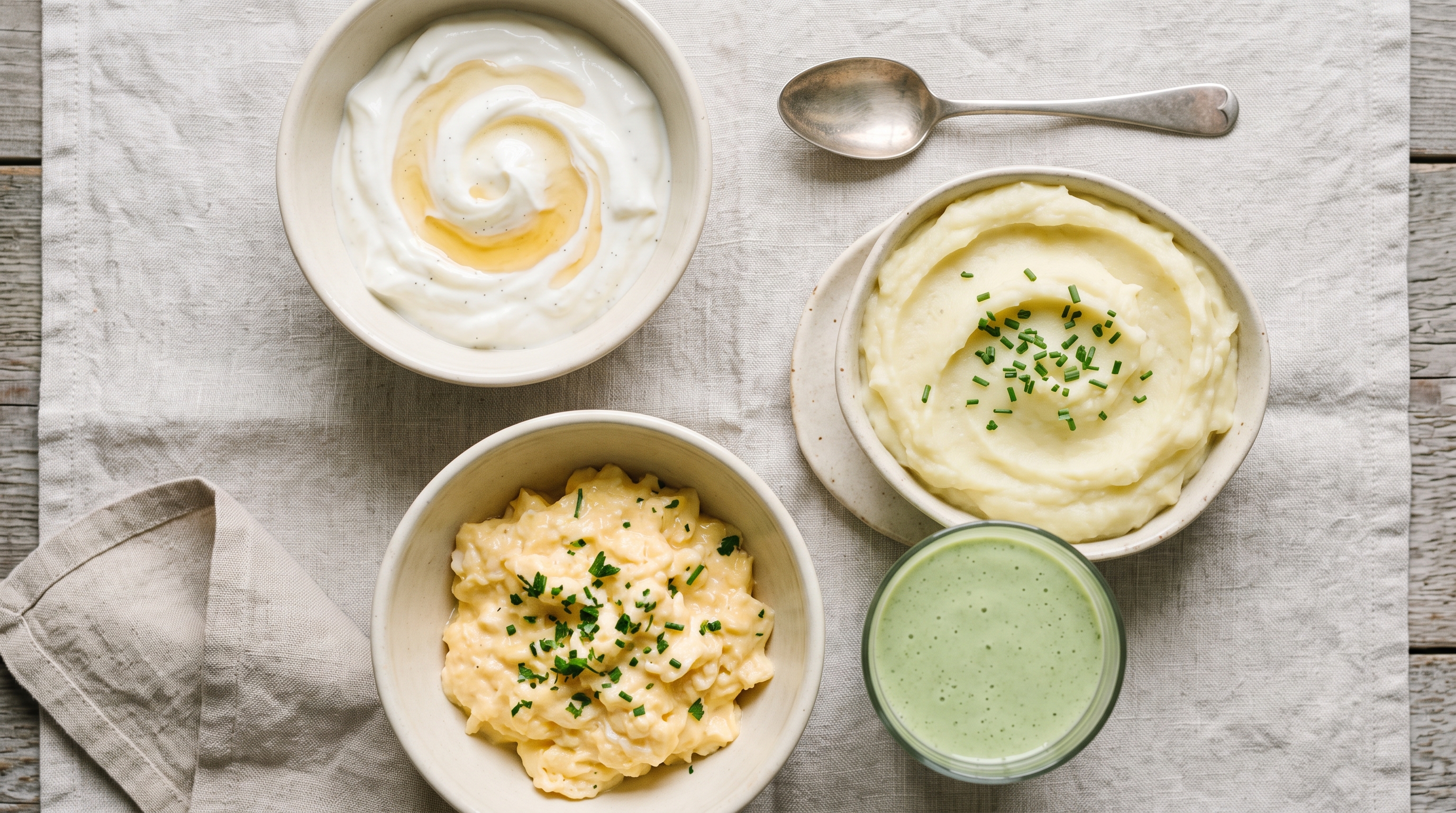
- Protein: scrambled eggs, Greek yogurt, cottage cheese, flaked salmon or white fish, silken tofu, hummus, refried beans, lentil soup, protein shakes eaten with a spoon.
- Starches: mashed potato, oatmeal, well cooked pasta, soft rice, congee, polenta, soft bread with the crust removed.
- Fruit and vegetables: bananas, applesauce, avocado, well cooked carrots or squash, blended soups, smoothies made without seeds.
- Comfort food: ice cream, pudding, gelatin, custard.
Two cautions. Soft food is often sugary, and sugar sitting on teeth you cannot yet brush thoroughly feeds decay, so rinse gently with water after sweet things once your aftercare allows rinsing. And drink plenty of water, because dehydration makes any recovery feel worse. For the longer term, our guide to the best and worst foods for teeth covers what to go back to.
Frequently Asked Questions
How long after a filling can I eat?
After a tooth colored filling, you can eat as soon as the numbness wears off, since the filling is fully hardened before you leave. After a silver filling, wait until the numbness is gone and chew on the other side for the first day. Either way, test your bite gently on something soft first.
Can I drink coffee after dental work?
After a filling, crown, or deep cleaning, yes, once you can feel your lips again, because hot drinks are a burn risk while you are numb. After an extraction or implant surgery, wait until the next day, drink it warm rather than hot, and never use a straw. After whitening, delay coffee for a day or two if you can.
When can I eat normally after a tooth extraction?
Most people are back to something close to a normal diet within a week after a simple extraction, still favoring the other side. Wisdom teeth and surgical extractions can take longer. Let comfort guide you, and hold back on seeds, nuts, and chips until the socket has closed over.
Is it OK to eat ice cream after dental work?
After an extraction it is a classic for good reason: it is cold, smooth, and eaten with a spoon. After a filling or a deep cleaning, it may sting if the tooth or gums are sensitive to cold. Choose plain flavors without nuts, candy pieces, or a cone.
What should I avoid eating with a temporary crown?
Anything sticky or chewy, such as gum, caramel, toffee, and chewy candy, because it can pull the crown off. Also avoid hard foods like nuts, ice, and hard candy, which can crack it. Chew on the other side until the permanent crown is fitted.
What to Do Next
Find your procedure in the table, stock up on a few soft foods before the appointment if you know what is coming, and eat nothing chewy until the numbness has fully gone.
Then judge the next few days by direction. Tenderness that eases a little each day is normal. Call the office if your bite feels high after a filling, a temporary crown comes off, or pain after an extraction gets worse on the second or third day instead of better. Go to an emergency department if swelling spreads, or if breathing or swallowing becomes difficult.
This article is for general information only and is not a substitute for professional dental advice. Always consult your dentist about your individual needs.